Hedge Trimming in Pimlico for neat, controlled garden boundaries

Hedge Trimming Pimlico provides a focused garden service for keeping hedges, shrubs and boundary planting tidy, even and in the right shape for the space they occupy. In a compact central London setting, a well-kept hedge can do more than look smart: it can define a frontage, soften fencing, and keep planted areas from growing into paths, drives or neighbouring plots. Our work is aimed at regular maintenance and more involved reshaping, always with the finished outline and plant health in mind.
We trim many common hedge types and can work to a preferred height, width or form where the planting allows it. That may include straightforward top and side reductions, seasonal tidy-ups, corrective work on uneven growth, and careful cutting back to keep a hedge manageable without overcutting it. If you are preparing for a larger garden tidy or need the hedge brought back under control after a missed season, the service can be planned around that aim. Pricing and quotes can help set expectations before you ask for a visit or written estimate.
For customers who want one supplier to handle several outdoor tasks, our wider garden services can be helpful as part of the same plan. You can also review the services overview if you want to see how hedge work sits alongside maintenance, clearance and other garden jobs. When you are ready, contact us with the hedge type, the approximate length and the level of tidying you want, and we can help move towards a quotation.
Regular hedge maintenance and seasonal cutting
Routine hedge trimming is usually the best way to keep growth balanced and avoid drastic corrections later. A hedge that is cut at sensible intervals generally holds its line better, keeps its density more evenly, and needs less forceful work than one left to run on for too long. We trim hedges to maintain their intended shape rather than forcing a style that the plant will not hold well. That approach suits front garden boundaries, shared edges and screening planting where a crisp but natural finish is preferred.
Different hedges need different handling. Dense evergreen hedging may need clipping in a way that preserves light and encourages healthy side growth, while more open or informal planting can sometimes be shaped with a lighter hand. The aim is controlled growth, not simply cutting everything back for the sake of appearance. Where hedges have grown wider than the available space, we can reduce encroachment carefully so paths, windows and garden features are not overwhelmed. For more intensive outside work that sits alongside trimming, see our garden maintenance page.
What a trim can include
- Top reductions to restore a level upper line.
- Side trimming to bring back a neat profile.
- Selective cutting to improve shape without stripping the hedge bare.
- Cutting back growth that is intruding into access routes or adjoining areas.
- Clearing away the arisings where that is part of the agreed scope.
Shaping, reduction and corrective work

Some hedges only need a light seasonal tidy, but others require a more considered reduction. If a hedge has become too tall, too wide or uneven after a period of neglect, we can reduce it in stages where that is the safer and more sustainable option. Staged work is often useful when a hedge needs to recover its structure rather than being forced back to size in one pass. The exact method depends on the species, condition and the shape you want to end up with.
Corrective trimming is also useful when one section of a hedge has outgrown the rest, when previous cutting has left a lopsided outline, or when a hedge is beginning to shade other planting too heavily. In those cases, the work is as much about rebalancing as it is about cutting. If your garden has several areas that need attention, our garden clearance service may also be relevant where overgrowth, cuttings or other green waste need dealing with as part of the same visit. We can discuss the level of reduction that is realistic for your hedge.
It is not always sensible to chase a perfect geometric finish. Some hedges respond better to a slightly softer profile, and the right result can depend on whether the planting is formal, mixed or part of a privacy screen. Our approach is practical: keep the hedge healthy where possible, preserve the look of the garden, and avoid unnecessary stress to the plant. If the hedge is part of a broader landscaping plan, the shape can be aligned with paths, borders or other garden features.
Preparing for hedge work and getting a quotation

To provide a sensible quotation, it helps to know what sort of hedge you have, roughly how long it runs, and whether you want a light trim, a height reduction or more substantial reshaping. A clear description of access is useful too, especially where the hedge sits behind a side passage, along a rear boundary or near delicate planting. If you can share photographs, they make it easier to understand the current outline and any awkward sections, although they are not always essential. The goal is simply to identify the work accurately before anything is scheduled.
There are a few practical details that can affect the time and method needed. For example, very dense growth, a hedge with mixed species, or one with limited room on either side may require slower and more selective cutting. If there are nesting birds, mature stems close to fencing, or nearby features that need protection, those factors should be mentioned when you make contact. A short note about your preferred finish is helpful as well: formal and crisp, softer and natural, or just a tidy seasonal reduction. You can start that process by making an enquiry through our contact page.
When you are deciding whether to ask for one-off trimming or a more regular arrangement, it can help to think about how quickly the hedge tends to grow and how much shape it needs to retain. A garden that is used frequently may benefit from periodic cutting to keep edges neat, while screening hedges may need a different balance of height and density. If you want to compare the service with other outdoor work, the hedge trimming page gives the same main service in a dedicated format, while the broader landscaping page may be useful for combined garden improvements.
Hedge trimming alongside wider garden services
Hedge cutting often forms part of a larger maintenance plan rather than a stand-alone task. Gardens can benefit from a joined-up approach when the hedge, borders, lawn and access routes all need attention at around the same time. In those cases, it can be more efficient to think about the whole outdoor space rather than arranging each job separately. We can keep the hedge work distinct while still aligning it with the other tasks that matter most to the garden’s overall presentation.
If the hedge trim is part of a bigger tidy-up, the work may sit comfortably alongside lawn care, planting corrections or layout improvements. Our lawn mowing page covers grass cutting, while landscape gardening is a better fit when the project goes beyond maintenance and into changes to the garden’s structure or planting. Not every garden needs every service, of course, but it is often useful to compare them when you want a coherent finish across the site. If the hedge is simply one part of a wider seasonal reset, that can be discussed in the quotation request.
Keeping the work proportionate to the garden
Good hedge care is usually about proportion. A small front boundary hedge should not be treated like a tall screening line, and a mature privacy hedge should not be cut as though it were a low ornamental edge. The best result is one that suits the planting, the available space and the practical use of the garden. That is why the same service can cover light trimming, heavier reductions and tidying after a period of growth, without changing the basic goal: a hedge that looks intended rather than accidental.
About Pimlico
Pimlico is a central London district in the City of Westminster, lying on the north bank of the River Thames and known for its orderly residential character. Much of the area was developed in the 19th century on former marshland, with the work associated especially with Thomas Cubitt, whose planning helped give Pimlico its distinctive grid of terraces, garden squares and stucco-fronted houses. That pattern of streets remains a defining feature, and the district is often associated with a calm, measured streetscape rather than the taller commercial fabric found elsewhere in central London. The local layout reflects its planned origins: straight streets, repeated building forms and a strong sense of enclosure at the residential scale.
Boundary hedges, privacy planting and garden presentation

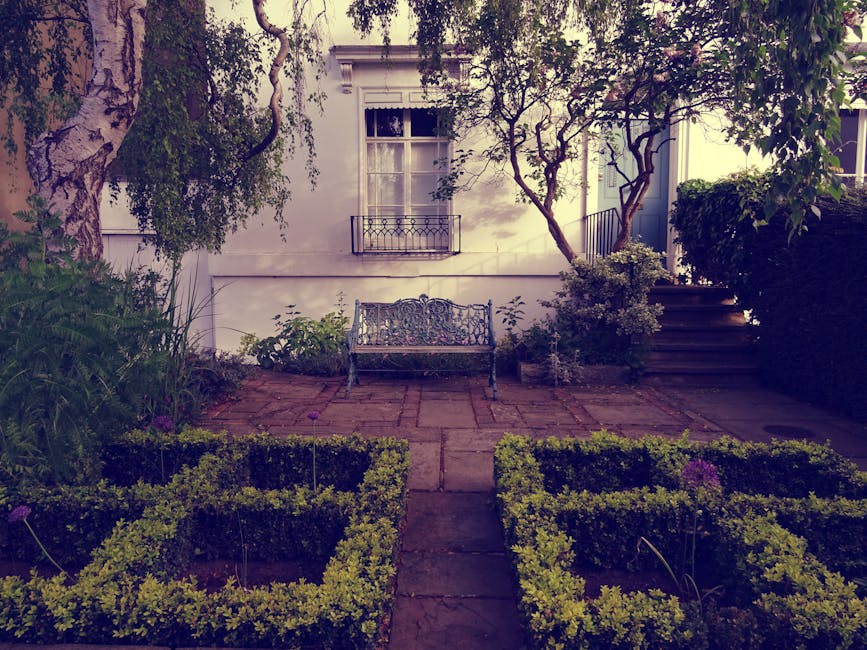
In many gardens, the hedge is more than a plant line; it is part of the boundary treatment and the first thing people notice from the street or shared access. A cleanly trimmed hedge can improve the presentation of a front garden, sharpen the edges of a terrace or provide a calmer backdrop to planting beds and paths. That said, the right finish depends on what the hedge is doing in the space. A boundary hedge may need a firmer, straighter face, while a softer ornamental hedge may only need light clipping to retain form. We work with those differences in mind.
Privacy planting often needs a slightly different balance from decorative edging. When hedges are used to screen views, the priority is usually to preserve enough thickness and height to do the job while keeping the outline neat. Overcutting can leave gaps, especially where the hedge is not especially dense, so careful trimming matters. If your site includes trees or heavier woody growth as well as hedges, you may also want to look at tree lopping and removal for adjacent work that needs separate handling. For gardeners thinking about whole-space improvement, the broader landscaping page can help place hedge work in context.
We also understand that not every hedge needs to be pushed back to the same final size. Sometimes the best result is a controlled reduction that keeps the hedge useful and attractive while giving the garden a more open feel. In other cases, the hedge may need a simple, tidy finish that makes the site easier to maintain. If you are comparing options, it is worth deciding whether the main priority is appearance, access, privacy or a combination of all three. That makes the quotation process more precise and the finished result easier to plan.
Cuttings, waste handling and finishing the job

Hedge trimming creates cuttings, and the clean-up is part of the practical value of the service. Depending on the amount of growth removed, there may be a modest collection of clippings or a much larger volume of green waste. The finishing stage matters because a well-trimmed hedge should not leave the garden looking untidy afterwards. Where waste removal is included in the agreed scope, the work can leave borders, paths and access areas ready to use again without a separate tidy-up being needed straight away.
If the hedge forms part of a more overgrown garden, there may be a case for combining the trim with other clearing work. That can save repeated disruption and help ensure the whole area is finished to the same standard. Our recycling and sustainability page sets out how materials are handled, while garden clearance is useful if the trimming is tied to a more general outdoor reset. Not every job needs additional clearance, but the option is there when growth, cuttings or miscellaneous green waste need dealing with together.
For a straightforward hedge trim, the main finish is often visual rather than dramatic: lines straightened, edges cleaned, the profile restored and the surrounding space left orderly. For a larger reduction or a hedge that has been left too long, the finish may be less about perfect symmetry and more about bringing the planting back to a manageable condition. Either way, the intention is to make the hedge fit the garden again. If you are ready to discuss the work, a short note with the hedge details and your preferred finish is enough to request a quotation.
Choosing the right level of hedge trimming
Not every hedge should be treated in the same way, which is why the first conversation matters. Some customers want a sharp, regular finish that can be maintained through the growing season. Others want a one-off reduction to recover control after a busy year or an extended period away. The right level of trimming depends on the hedge’s condition, species and role in the garden. A careful assessment at the outset helps avoid unnecessary cutting and keeps the work proportionate.
Where a hedge is healthy and regularly maintained, the trim can often be light and efficient. Where the hedge is older, denser or visibly uneven, more measured work may be appropriate. It is also important to think about what sits around the hedge. Nearby paving, edging, windows and planting beds may influence how the cut is carried out so that the result is neat without being overworked. If the hedge is part of a broader site refresh, our services overview and pricing and quotes pages can help you weigh up the best approach before you ask for the work to be priced.
Our service is built around clear trimming outcomes rather than unnecessary complication. You may simply want a boundary brought back into line, or you may want a more careful reshaping to improve the look of the whole garden. Either way, the emphasis stays on an accurate cut, a sensible finish and a result that works for the property. If you would like to take the next step, get in touch and ask for a quotation.