 Sustainable Hedge Trimming in Pimlico: Recycling & Sustainability
Hedge Trimming Pimlico delivers a practical, eco-conscious approach to garden maintenance. Our aim is to create an eco-friendly waste disposal area and a long-term sustainable rubbish gardening area across Pimlico and neighbouring streets. We combine best practice in green waste segregation with low-emission transport and community-led reuse, making Pimlico hedge care part of a circular local economy.
Working with the local borough's approach to waste separation, we align our field processes with the City of Westminster and adjacent borough guidance on separate collections for food, glass, paper, and garden waste. Where local municipal schemes accept separated green waste, we ensure clippings and cuttings are prepared to those standards; where private transfer is required we use authorised facilities and licensed operators to avoid contamination of recyclable streams.
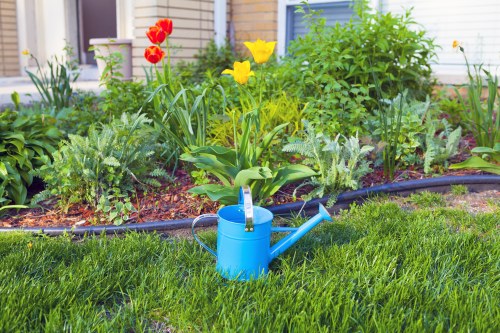 Targets, Reporting and Low-Carbon Fleet
Our recycling percentage target is ambitious: we aim for an overall 70% recycling rate across all services by 2028, with a minimum 90% of garden and hedge cuttings diverted from landfill back into usable outputs such as compost and mulch. We track tonnage, separation quality and destination of material and publish annual summaries for neighbourhood stakeholders. Our vehicles are a core part of the plan: using low-carbon vans (electric and plug-in hybrids), route optimisation and load consolidation, we reduce emissions per job while maintaining efficient collection to local transfer stations.
Local Transfer Stations and Civic Amenity Links
We work with local transfer stations and civic amenity sites that serve Pimlico and nearby communities. Our operational network includes borough transfer facilities and private composting centres that accept green waste for processing. Examples of the transfer infrastructure we use include:- Designated borough transfer stations that accept separated garden waste and prepare it for municipal composting or energy recovery.
- Private composting and mulching centres in West and South London that turn hedge clippings into soil improvers.
- Local civic amenity sites and licensed waste centres that accept bulky organic material where municipal services do not collect directly.
All destinations are authorised and audited to ensure materials are processed under recognised sustainable standards rather than being landfilled.
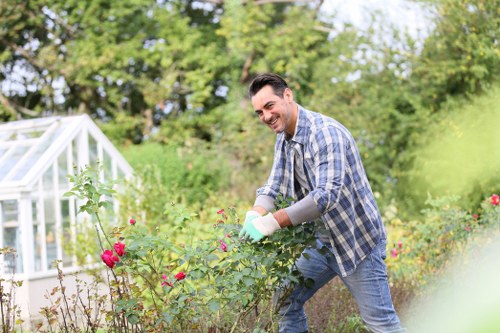
Partnerships with Charities and Community Reuse
We prioritise reuse and community benefit where feasible. Through partnerships with local charities and social enterprises, surplus, reusable woody materials and useful off-cuts are redirected to projects such as community gardens, school allotments and local environmental schemes. These collaborations support social value alongside environmental outcomes: charities can turn larger branches into seating or habitat piles, while compost created from green waste supports community food growing initiatives.Our approach to partnerships includes:
- Formal agreements with local charities and community groups to receive reusable materials.
- Joint campaigns to promote home composting and the correct separation of green waste.
- Training sessions for staff and volunteers to increase the quality of recyclable streams.
We avoid mixing recyclable organic material with general rubbish and provide residents with advice on separation so borough recycling schemes can operate more efficiently.
Processing: Compost, Mulch and Low-Carbon Disposal
Our operational processing chain focuses on converting trimmed hedging and garden detritus into valuable outputs. Branches and woody material are chipped and turned into mulch; finer green waste is composted into nutrient-rich soil amendments. Where waste cannot be reused locally, it is directed to authorised anaerobic digestion facilities or energy-from-waste plants as a last resort, ensuring the maximum possible diversion from landfill.Key steps we take to support sustainable rubbish gardens and eco-friendly disposal:
- On-site segregation at the point of cut to preserve material quality.
- Use of sealed, labelled containers to avoid contamination.
- Priority routing to local composting centres to shorten transport distance and carbon footprint.
We measure performance against our recycling targets monthly and implement corrective actions if contamination or diversion rates fall below target.
Low-carbon vans and operational planning are central to reducing the environmental impact of hedge services in Pimlico. Our fleet includes electric and hybrid vehicles, and we continually invest in route-planning software to minimise mileage and idle time. Vehicle choice is matched to job scale: smaller electric vans for central Pimlico terraces and larger low-emission units for bulk collections that require transfer to processing centres.
We also apply seasonal scheduling to reduce fuel use — combining several small jobs in a single efficient run, avoiding repeat visits, and favouring collection times that reduce traffic delays and idling.
Our training emphasises low-carbon driving techniques, safe loading to reduce trips, and the importance of maintaining segregation standards to meet recycling targets.
 Monitoring, Transparency and Community Involvement
We publish plain-language progress reports on our sustainability metrics so neighbourhood groups and stakeholders can see how the hedge care and garden waste recycling programmes perform. Metrics include the percentage of material recycled, destination breakdown (compost, mulch, anaerobic digesters) and fleet emissions reductions. Community involvement is encouraged through seasonal volunteer compost days and educational outreach on how to prepare hedge trimmings for recycling at the kerbside.
 In conclusion, our Pimlico hedge trimming services combine practical on-the-ground techniques with strategic partnerships, low-carbon transport and clear recycling targets. By aiming for at least a 70% overall recycling rate and 90% diversion of green waste, working with authorised local transfer stations and charities, and running an efficient low-emission fleet, we create a model for sustainable, responsible hedge management in Pimlico — turning routine garden care into an opportunity for environmental improvement and community benefit.