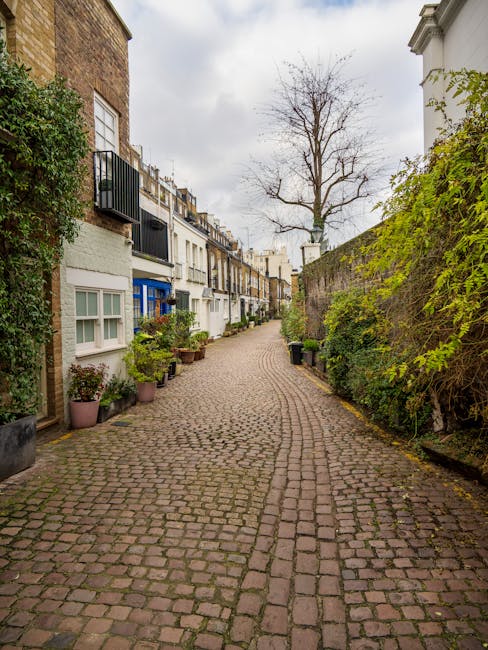
Common access problems for gardeners in Pimlico mews
If you have ever watched a gardener try to manoeuvre tools, waste bags, a mower, and a folding ladder through a narrow mews entrance, you already know the core issue: Common access problems for gardeners in Pimlico mews are usually less about the gardening itself and more about getting in, working safely, and getting out without upsetting neighbours or damaging the property. In Pimlico, where mews homes often combine tight lanes, limited turning space, shared courtyards, and careful parking arrangements, access can shape the whole job. Get it right and the work feels smooth. Get it wrong and even a simple tidy-up turns into a logistical puzzle.
This guide explains the real-world access hurdles gardeners face in Pimlico mews, why they matter, and what to do about them. We will look at narrow entrances, carrying equipment through shared spaces, timing around residents, safe waste removal, and the small planning details that make a surprisingly big difference. A lot of stress disappears once you know what to look for. Simple as that, really.
Table of Contents
- Why access problems matter in Pimlico mews
- How access planning works on a mews job
- Key benefits of proper access planning
- Who needs this approach and when it makes sense
- Step-by-step guidance for smoother access
- Expert tips for better results
- Common mistakes to avoid
- Tools, resources and recommendations
- Law, compliance, standards and best practice
- Options, methods or comparison table
- Case study or real-world example
- Practical checklist
- Conclusion
- Frequently asked questions
Why Common access problems for gardeners in Pimlico mews Matters
Access problems are not a side issue; they often decide whether the job is efficient, safe, and pleasant for everyone involved. In a typical mews setting, the garden may sit behind a property with no obvious side entrance, or the only route in might pass through a shared driveway, a basement stair, or a gate that looks generous until you try pushing a wheelbarrow through it.
That matters for several reasons. First, it affects time. A team may spend more time moving equipment and waste than actually cutting, pruning, or clearing. Second, it affects quality. If a mower is too large to carry safely, or if trimmings have to be hand-bagged in tiny loads, the finish can suffer. Third, it affects relationships. Neighbours in a mews often live close together; one awkward morning with a blocked path or noisy dragging of bins can create friction that nobody wants.
Truth be told, Pimlico mews access is often a matter of inches, not metres. A gate that is technically usable might still be awkward if there is a raised threshold, a tight turn, or decorative railings that catch a hedge trimmer sleeve. Those are the details that catch people out.
Practical takeaway: in mews properties, access planning is not admin fluff. It is part of the job itself, and it often determines cost, timing, and the final result.
For garden owners, this also affects what kind of service makes sense. A quick tidy may be perfectly possible, while heavier work such as overgrown boundary reduction, waste clearance, or garden redesign may need a different access plan. If you are thinking beyond routine maintenance, it can be useful to look at broader support such as garden maintenance, garden clearance, or landscaping depending on the scale of the job.
How Common access problems for gardeners in Pimlico mews Works
Access planning usually starts before the gardener arrives. A good local contractor will want to know how the garden is reached, where tools can be unloaded, whether there is visitor parking nearby, and whether the route includes shared spaces, locked gates, or awkward surface levels. That sounds obvious, but plenty of jobs fail because this conversation happens too late.
In practice, the process often looks like this:
- Initial check: the client describes the route, gate widths, parking limits, and any shared access rules.
- Risk spotting: the gardener identifies likely pinch points such as narrow side passages, steep steps, low branches, or slippery paving.
- Equipment planning: tools are matched to the route. A compact mower, hand tools, folding carts, and smaller waste containers may be more sensible than large machines.
- Timing plan: work is scheduled to avoid peak resident traffic, school runs, deliveries, or quiet-hours friction.
- On-site adaptation: once there, the team may adjust the workflow if the real access differs from the description. It happens more often than people think.
A useful way to think about it is this: access is not just getting through a gate. It includes arrival, unloading, movement through the property, storage of tools while working, and the exit route for waste. Even a lovely courtyard can become a bottleneck if there is nowhere safe to stage bags of cuttings. And yes, that part is rarely glamorous.
In many Pimlico mews properties, the best approach is to separate the job into small stages. For example, hedge trimming might happen first while the area is still clear, then lawn mowing, then green waste collection. That keeps the route tidy and reduces repeated trips.
Key Benefits and Practical Advantages
When access is planned properly, the benefits show up quickly. The job starts on time, the right tools are brought, and the client is not left wondering why a simple garden tidy seems to involve half a day of shuffling equipment around.
- Less disruption: neighbours, residents, and building managers see fewer interruptions.
- Better safety: fewer trips, fewer awkward lifts, less chance of damage to walls, railings, or paving.
- Cleaner finish: access planning allows the team to work in a logical order instead of improvising.
- More accurate pricing: a gardener can quote more honestly when they understand the route and constraints.
- Faster waste removal: cuttings, branches, and clippings can be moved out without clogging the working area.
There is also a quieter benefit: less stress. To be fair, garden work in a mews can feel more delicate than standard suburban gardening. The team may be thinking about noise, privacy, fragile planting, polished surfaces, or shared entrances all at once. Good access planning lowers that mental load and makes the whole experience calmer for everyone.
If the job involves hedge reductions, tree work, or bigger clear-outs, access becomes even more valuable. A narrow route can influence whether work is best handled as routine care or as part of a more involved service such as hedge trimming, tree lopping and removal, or garden clearance. The point is not to sell a bigger service. The point is to match the job to the space.
Who This Is For and When It Makes Sense
This topic matters most if you live or manage a property in a mews where access is shared, narrow, or carefully controlled. It is especially relevant for:
- homeowners with rear gardens accessed through a side passage or shared drive
- landlords and managing agents responsible for regular maintenance
- residents with courtyards, terraces, or roof-level planting
- people arranging one-off clearance after a long period of neglect
- clients needing quiet, tidy, respectful work with minimal disturbance
It also makes sense if you have had a poor experience before. Maybe a gardener arrived with the wrong mower. Maybe the waste was left in the wrong place. Maybe everyone had to keep moving the bins and nobody was quite sure who was in charge. A lot of those issues are access issues in disguise.
Here is the honest bit: if your garden can only be reached through a tight, shared route, you should assume access will affect the service. That does not mean the job is difficult, only that it needs planning. And that planning is worth it.
If you are comparing providers, it can help to review the broader service approach on the services overview page, or learn more about the team on the about us page before booking.
Step-by-Step Guidance
Below is a practical way to handle access problems before they become job-day problems. Nothing fancy. Just solid, usable steps.
1. Walk the route mentally before you book
Start at street level and trace the path all the way to the garden. Where does the gardener park? Which gate is used? Are there steps, ramps, or tight corners? Is there a place to set down tools without blocking people? If you cannot describe the route clearly, the gardener probably will not be able to guess it either.
2. Measure the tight spots
Gate width, passage width, and step height matter more than people expect. A few centimetres can decide whether a wheelbarrow fits, whether a mower can pass, or whether tools need to be carried by hand. If you do not have exact measurements, a clear photo can still help a lot.
3. Identify what needs to come in and out
Gardens are not only about the work itself. They also produce waste. Branches, soil, hedge clippings, lawn cuttings, broken pots, old timber, and bags of debris all need somewhere to go. If the route is tight, waste removal may need to happen in smaller, more frequent loads.
4. Plan around neighbours and building rhythms
In a mews, timing is part of access. A 7:30 a.m. arrival with power tools may be perfectly fine in one place and deeply unpopular in another. It is better to discuss preferred windows, parking pressures, and shared-space etiquette before anyone turns up.
5. Choose the right equipment for the route
Sometimes a compact mower, hand shears, or lighter battery tools make far more sense than large kit. That does not mean compromising on quality. It means using the right gear for the site. A smart gardener will adapt rather than force the space to fit the machine.
6. Keep the route clear during the job
Place tools and waste in one controlled zone rather than spreading them everywhere. If you are working in stages, move materials out in a planned sequence. Small discipline here saves a lot of shuffling later.
7. Review what worked afterwards
After the first visit, note what felt awkward. Was parking difficult? Was the gate lock slow? Did waste collection create delay? Next time, the job can run far more smoothly. That feedback loop is underrated, honestly.
Expert Tips for Better Results
These are the little things experienced gardeners and property managers tend to care about, because they make real-world jobs less messy.
- Send photos before the visit. A few phone pictures of the entrance, passage, and garden access point can save a lot of guesswork.
- Use smaller, lighter containers for waste. In tight mews access, small loads are often safer than overfilled bags.
- Protect surfaces early. If the route includes delicate paving or painted thresholds, simple coverings or careful routing can avoid scuffs.
- Check lock and key arrangements. A delay at the gate can throw off the whole schedule.
- Keep shared areas tidy as you go. People notice this more than you think. A clean passage builds trust.
- Prefer compact, quiet equipment where possible. Battery tools can be useful in close residential settings, especially where noise control matters.
One helpful habit is to think like a site manager for five minutes before the first cut. Where will the first waste bag go? Where will the mower be turned? Where will the gardener stand while opening a gate with one hand and holding a trimmer with the other? It sounds a bit overcautious, but it saves time. And, let's face it, avoids the classic "how on earth did we get stuck here?" moment.
If you want to understand how a provider handles practical details beyond the visible garden work, resources like health and safety policy, insurance and safety, and recycling and sustainability can help you judge their working standards.
Common Mistakes to Avoid
Most access problems are avoidable. The trouble is they are easy to underestimate.
- Assuming "it will be fine." That is probably the biggest one. Mews access often looks manageable until tools arrive.
- Not measuring gates or passages. Eyeballing is risky when the difference is only a few inches.
- Forgetting waste access. A route that works for a person may not work for bags, branches, or bulky clippings.
- Ignoring shared-user etiquette. Blocking a driveway for ten minutes can be more disruptive than the garden work itself.
- Booking the wrong type of service. A simple maintenance visit may not be enough for a garden that needs clearance or more involved landscaping.
- Not saying where the gardener can park. This tiny omission causes a disproportionate amount of trouble.
Another common slip is leaving the access conversation until the day of the job. By then, the contractor can only adapt, which may mean more time, more lifting, or a less efficient visit. Sometimes that is unavoidable. But often it is preventable with a ten-minute conversation and a couple of photos.
Tools, Resources and Recommendations
You do not need a long toolkit to solve access issues, but the right few items help a lot.
Useful practical items
- Measuring tape: for gate widths, step heights, and tight turns.
- Phone camera: photos of entrances, locks, and obstacles are surprisingly useful.
- Foldable garden trolley or bags: better for narrow routes than rigid bulky bins.
- Compact cutting tools: especially useful where machine access is limited.
- Surface protection materials: for delicate thresholds or fresh paving.
Useful service pages for planning
Where the job extends beyond basic pruning or mowing, these pages can help you decide what kind of support is needed: lawn mowing, landscape gardening, and decking services. If the garden has become cluttered or overgrown, a more organised approach through garden maintenance can be a better fit than one-off patchwork visits.
For service enquiries, the cleanest next step is usually to use the contact us page and describe the access route as plainly as you can. A short note about gate width, parking, shared courtyards, or steps can make a real difference to the quality of the quote.
Law, Compliance, Standards, or Best Practice
Access in a mews is not usually a highly regulated subject on its own, but there are still sensible UK best practices to keep in mind. Gardeners and clients should think about duty of care, safe manual handling, avoiding obstruction, and respecting neighbours' use of shared spaces. If a team is carrying heavy waste or using equipment through a common passage, it should be done carefully and without creating avoidable risk.
Noise control also matters in close residential settings. While exact requirements depend on the situation and local arrangements, good practice is to keep disruption low, avoid unnecessary early starts, and choose quieter methods where reasonable. In plain English: if there is a quieter, tidier way to do the job, use it.
Insurance and safety are worth checking too. If access is tight, the chances of scraping a wall, damaging a light fitting, or slipping on a wet surface rise a little. That is one reason reputable contractors usually take site conditions seriously. It is not about being dramatic; it is about doing the job responsibly.
For more information on how the business handles these practical responsibilities, the pages on health and safety policy and insurance and safety are relevant. If you want to understand service terms more broadly, the terms and conditions page may also be useful.
Options, Methods, or Comparison Table
Different access strategies work better depending on how tight the mews route is and how much work the garden needs. Here is a simple comparison.
| Approach | Best for | Pros | Trade-offs |
|---|---|---|---|
| Standard full-access visit | Wide gates, easy parking, clear paths | Fast, straightforward, less labour | Not suitable where access is cramped |
| Compact-tool visit | Narrow passages and shared entrances | Quieter, more flexible, lower disruption | May take longer for larger gardens |
| Staged waste removal | Jobs with a lot of cuttings or debris | Keeps working area clear, safer movement | Requires better planning and more trips |
| Maintenance-first approach | Overgrown but reachable gardens | Reduces clutter before heavier work begins | May need several visits |
| Clearance-led approach | Severely congested or neglected spaces | Restores usable access quickly | More intensive and less immediate for fine detailing |
That table is not about right or wrong. It is about fit. A small courtyard with fragile finishes may do better with quiet compact tools, while an overgrown rear plot might need clearance before anything else can happen. The best gardeners choose methods to suit the site rather than forcing every job through the same routine.
Case Study or Real-World Example
Here is a realistic example based on the kind of job that comes up often in Pimlico mews settings.
A homeowner had a compact rear garden reached through a narrow side passage shared with neighbours. The path was just wide enough for a person with a bag of tools, but awkward for larger equipment. The garden itself was not huge, but the hedge line had become dense and the lawn needed a proper tidy. There was also a small build-up of cuttings and old pots near the back wall that made the route even tighter.
Instead of arriving with a large mower and hoping for the best, the work was broken into stages. The team used compact tools, cleared the staging area first, then carried out trimming and mowing in a sensible order. Waste was bagged in smaller loads and removed gradually. That meant the passage stayed usable, the neighbours were not boxed in, and the final result looked tidy rather than rushed.
The key lesson was not that the garden was difficult. It was that the access route, if ignored, would have created the difficulty. Once the route was treated as part of the project, everything went more smoothly. Honestly, that is a pretty common pattern in mews work.
Practical Checklist
Use this quick checklist before booking a gardener for a Pimlico mews property:
- Have I checked how the garden is reached from the street?
- Do I know the gate width and any tight turns?
- Is there parking or unloading space nearby?
- Are there steps, thresholds, or slippery areas to mention?
- Will the gardener need access through a shared entrance or courtyard?
- Are there neighbour timing concerns or quiet hours to consider?
- Does the job create a lot of waste that needs moving out?
- Would smaller tools make more sense than larger machinery?
- Have I sent photos of the route and garden entrance?
- Do I need regular maintenance, clearance, or a more involved landscaping visit?
When in doubt, over-explain a little. A short extra message is far better than a day of improvisation. You will thank yourself later, probably with a cup of tea and a much less stressful afternoon.
Conclusion
Common access problems for gardeners in Pimlico mews are usually practical, not dramatic. Tight gates, shared passages, awkward parking, limited waste routes, and close neighbours all add a layer of planning to garden work. But with the right preparation, those issues become manageable. In fact, they often become invisible once the job is properly set up.
The main thing to remember is simple: access is part of the service. If you plan it well, the gardening can be cleaner, quieter, safer, and more efficient. That is good for the client, good for the gardener, and good for the mews as a whole. Small details matter. They really do.
If you are getting ready to arrange work, a clear brief and a good access description will help shape a better quote and a better experience from the start.
Get a free quote today and see how much you can save.
Frequently Asked Questions
What are the most common access problems for gardeners in Pimlico mews?
The most common issues are narrow gates, tight side passages, shared driveways, limited parking, steps, and nowhere obvious to store tools or waste while the work is underway.
Why does access matter so much for garden maintenance in a mews?
Because access affects speed, safety, neighbour disruption, and the type of equipment that can be used. A garden that is easy to work in may still be slow if the route in and out is awkward.
Can a gardener still work if the passage is very narrow?
Usually yes, but the team may need compact tools, smaller waste bags, and a more staged approach. In some cases the job needs to be broken into smaller visits.
Should I send photos before booking a gardener?
Yes, definitely. Photos of the gate, passage, steps, and parking area help a gardener judge whether the job can be done efficiently and safely.
Do access problems usually change the price?
They can, because tighter access often means more manual handling, slower movement, or different equipment. A proper quote should reflect the actual site conditions, not just the size of the garden.
What if the gardener needs to go through a shared courtyard?
That is common in mews properties. The important thing is to keep the route clear, be considerate of neighbours, and avoid blocking shared areas for longer than necessary.
Is it better to choose a maintenance visit or a clearance visit?
If the garden is reasonably tidy, maintenance may be enough. If access is being blocked by overgrowth or clutter, a clearance-led approach can restore working space first. The right choice depends on the site.
What equipment works best in tight mews access?
Compact hand tools, smaller battery-powered tools, foldable carriers, and lightweight waste bags are often the most practical choices. Large machines are not always the best fit.
How can I reduce disruption to neighbours?
Book sensible timings, keep shared paths tidy, avoid blocking entrances, and use quieter methods where possible. A little courtesy goes a long way in close-set homes.
What should I tell a gardener before the first visit?
Tell them how to reach the garden, where they can park, whether there are steps or locks, how wide the gates are, and whether waste will be hard to remove. The more practical detail, the better.
Can access issues affect hedge trimming or tree work more than lawn care?
Yes. Hedge trimming and tree-related jobs often involve bulkier waste and larger tools, so narrow routes can have a bigger impact than they do with simpler lawn care.
Where can I learn more about the services available?
You can review the wider service details on the services overview page or check individual pages such as lawn mowing and hedge trimming to see what suits your garden best.